Practical Review: The Christmas Reindeer Cartoon ClipArt Set
When a new design bundle lands in my inbox, my first question is always, “What will this look like with thread?” I’m not just judging it as a graphic on screen; I’m imagining it as a finished, stitched product. That’s the lens I used with the Christmas Reindeer Cartoon ClipArt Set. Let’s walk through what this set means for embroidery designers and craft business owners.
The Design Personality: Festive Friendliness
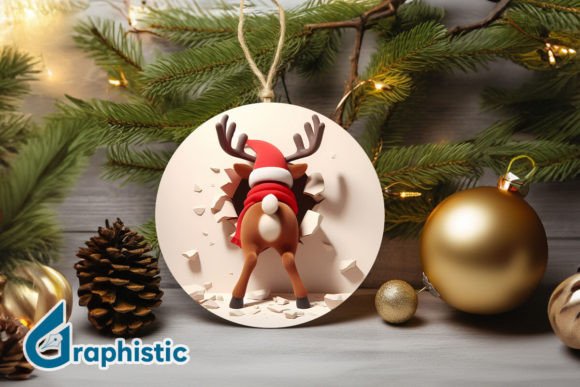
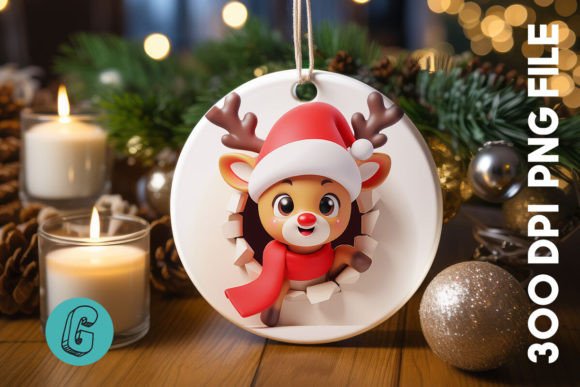
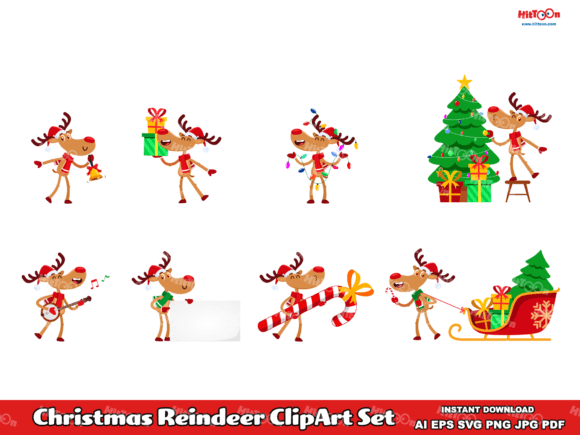
Right away, these reindeer characters feel approachable and joyful. The hand-drawn style has a loose, playful energy that avoids being overly rigid or corporate. This isn’t a formal, majestic reindeer—it’s the friendly one you’d want on a child’s holiday sweater or a cozy kitchen towel. The detail level is thoughtful: enough character to be charming, but not so densely packed that it becomes a stitching nightmare on smaller items. The mood it creates is pure, uncomplicated holiday cheer, which is exactly what sells well during the season.
Where This Set Finds Its Best Home
Imagine you’re prepping for a craft fair, and you need a quick, appealing holiday lineup. One of my first mental tests was picturing a single reindeer, isolated from the set, on the breast of a classic cotton sweatshirt. The cartoon style translates beautifully into an embroidery file meant for casual, giftable apparel. It would stitch out cleanly as an applique design or a simpler fill stitch motif.
This set naturally belongs to projects where personality outweighs precision. Think embroidered patches for stockings, tote bags for gift-giving, or pillow covers in a holiday boutique. I’d also lean towards baby items—a single reindeer on a knit blanket or a tiny hat has immense giftability. For small shop product mockups, these illustrations provide a cohesive yet varied asset pool. You could use different reindeer across a product line—aprons, tea towels, caps—and maintain a consistent, handmade brand look.
A Real-Life Scenario: The Custom Holiday Tote
Let’s get practical. Say a client requests a personalized holiday tote bag for a grandmother. You select one reindeer from the set, perhaps the one with a slight head tilt, and pair it with a name stitched in a simple running stitch font. The cartoon clipart provides the central, engaging visual, while the personalization adds value. The client’s reaction? They see a fun, custom gift, not a generic store item. That’s the power of using a design with inherent warmth.
Performance in Real Embroidery Situations
For most embroidery projects on medium to larger areas, these designs should perform well. The shapes are generally open with clear outlines, which aids in stitch clarity. On a standard sweatshirt or a flat pillow cover, using a proper stabilizer, the satin stitch borders or fill stitch areas should render crisply. They’re ideal for commercial embroidery where speed and recognizability matter—think a small run of embroidered caps for a holiday market stall.
However, be observant with smaller applications. If you’re thinking of a tiny motif on a baby sock cuff or a detailed corner of a dense blanket, you must test the design on scrap fabric first. The charm of the hand-drawn lines could lose definition if minimized too much. Similarly, on highly textured fabrics like certain towels or on stretchy fabrics without adequate stabilization, some of the lighter illustrative details might blend. Always check thread color contrast, especially if moving from the bright white of a digital mockup to stitching on a dark fabric background.
Careful Use and Designer Notes
This is where the practical design judgment comes in. While the set is delightful, its best use requires some forethought.
- Scale Matters: These are graphics, not pre-digitized embroidery files with specified stitch counts. Before committing to a project, especially one with a smaller hoop size, do a test run. Inspect how the small details, like a reindeer’s smile or a tiny antler tip, translate into stitches.
- Fabric Choice: They will likely shine on stable, medium-weight fabrics like canvas for bags, cotton for apparel, or linen for decor. On thin or slippery fabrics, you’ll need to be meticulous with your stabilizer choice to maintain the design’s playful shape.
- Color Planning: The set comes in digital formats, so you’re working from a color image. Use it to plan your thread palette, but remember that stitched color blends differently than flat digital color. A black and white mockup can help you assess pure form and contrast.
- Commercial Confidence: The description notes “Commercial Use.” This is crucial for craft business owners and Etsy sellers. It means you can sell the finished, embroidered products—the tote bags, the patches, the baby blankets. However, a prudent step is always to confirm the licensing specifics in the downloaded package before selling any digital product that incorporates the graphics themselves.
The Impact on Your Business and Craft
Ultimately, using a set like this affects more than just the stitch-out. It impacts your product’s visual appeal and perceived value. A well-executed, friendly reindeer on a handmade product speaks of care and holiday spirit. It builds customer trust because the design feels intentional and festive, not randomly chosen. For your brand, if holiday work is part of your offering, consistent use of such cohesive illustrations across your merchandise creates a professional, engaged collection.
For the maker, it saves time. Having eight variations means you can offer slight differentiation without sourcing entirely new themes. This is a realistic advantage when preparing for the holiday rush—you can develop a whole product line from one solid design asset bundle.
Final Realistic Thoughts
The Christmas Reindeer Cartoon ClipArt Set is a strong, mood-setting collection for holiday-focused embroidery. Its strength is in its personality and adaptability. It won’t suit every project—it’s not for ultra-minimalist or formal luxury goods. But for the vast world of personalized gifts, cheerful apparel, and small shop holiday merchandise, it provides a trustworthy, commercial-ready foundation. My advice is to download it, open those AI, EPS, and SVG files, and start picturing your thread. Then, stitch a test on that scrap of fabric you keep on your desk. That’s where you’ll truly see its potential for your next real embroidered project.