Kawaii Christmas Llama Clipart: A Designer's Practical Review
When a new embroidery design lands in my files, I look at it not just as a graphic, but as a potential project. It’s about how it will translate from screen to stitch, what kind of mood it’ll bring to a finished product, and whether it holds up for my clients or my own craft business. Let’s walk through that process with this Kawaii Christmas Llama Clipart PNG.
The Immediate Feel: Festive, Friendly, and Unmistakably Kawaii
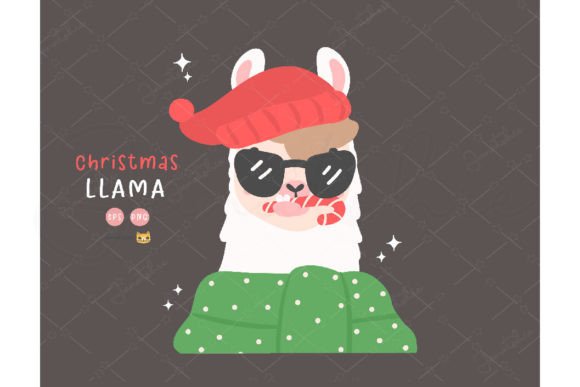
The first impression is pure holiday cheer wrapped in a cute, approachable style. The llamas and cactus clip art aren’t just festive; they’re friendly. The kawaii aesthetic—with its soft shapes and playful details—creates a mood that’s joyful without being overly formal. This isn’t a stern, traditional Christmas motif; it’s a design that smiles. The personality is lighthearted, making it feel perfect for personalizing gifts or creating merchandise that appeals to a broad, fun-loving audience.
From an embroidery standpoint, the shapes look clean and well-defined. The detail level strikes a good balance: enough character to be engaging, but not so overly intricate that it becomes a nightmare to stitch on smaller items. This visual personality feels like it belongs on projects meant to evoke warmth and whimsy.
Where This Design Shines in Real Embroidery Projects
I immediately picture this on custom apparel. A sweatshirt or t-shirt with this cheerful llama would be a hit. The theme lends itself perfectly to holiday gifts—think embroidered tote bags for a friend, a festive apron for a kitchen towel, or a cozy pillow cover for seasonal decor. For small business owners and Etsy sellers, this graphic is a strong candidate for boutique products.
Imagine a simple, well-embroidered patch featuring this design on a child’s blanket or baby clothes. The cute factor is high, making it ideal for nursery decor or personalized baby items. As an apparel decorator, I see it working beautifully on caps, provided the design’s scale is adjusted for that curved surface. For craft fair products or handmade shop merchandise, an embroidered version on a tea towel or a simple tote bag design could become a quick, engaging seller.
The Practicalities: Stitching It into Reality
Here’s where my designer mindset kicks in. How will this Kawaii Christmas Llama Clipart PNG perform when the needle hits the fabric? For successful embroidery, the clarity of the graphic is a good start. However, the real test is in the conversion to an embroidery file.
When working with such a design, I always advise testing it on scrap fabric first. This is crucial to check thread color contrast and review stitch density. You need to see how those cute details, like a llama’s festive accessory or a cactus outline, translate into satin stitches or fill stitches. Does the design maintain its friendly clarity when stitched?
Confirming the hoop size required is essential. While this appears to be a graphic for illustration, the resulting machine embroidery design needs to fit the project. A design that’s too dense for a small hoop won’t work on a baby bib, for instance. Always inspect the small details in a test run.
Considerations for Specific Fabrics and Finishes
Some applications require extra thought. On textured fabrics like some sweaters, the cute, clean lines might soften, which can actually enhance the handmade product feel. On thin or stretchy fabric, using proper stabilizer is non-negotiable to maintain the shape’s integrity.
Dark fabric backgrounds are a classic test. I recommend running a test in both light and dark fabric mockups, even in simple black and white previews, to judge contrast. For products that need frequent washing, like kitchen towels or aprons, a robust stitch construction is key—something to verify when you have the final embroidery file.
Embroidering on curved surfaces like caps demands attention to detail corners and potentially simplifying very dense stitch areas. For layered garments or items with decorative accents already present, you must consider how this holiday embroidery will integrate without overcrowding.
Building Trust and Value with Your Finished Product
Using a well-executed design like this affects more than just aesthetics. It impacts customer trust and perceived product value. A crisp, cheerful embroidered llama on a tote bag conveys professionalism and care. It elevates a simple gift into a thoughtful personalized gift. For a craft business or digital product seller using this in printable mockups or as part of design assets, it reinforces brand consistency if your style is playful and approachable.
The giftability and recognition of such a festive, cute motif are high. It engages buyers because it tells a clear, happy story. For commercial embroidery projects or finished products sold by Etsy sellers, this visual appeal directly influences buyer engagement. It looks professional, handmade, and intentionally designed.
A Few Designer Notes Before You Stitch
My final thoughts always circle back to preparedness. With any digital embroidery file sourced from clip art, the practical steps are universal. Test, test, test. Beyond fabric, check how the design works in your specific machine embroidery design software. Compare the provided PNG or EPS vector formats to the stitch output you generate.
Most importantly, confirm the licensing terms before selling finished items or digital products. The product description mentions it’s perfect for adding a touch of holiday charm, but you must verify if your intended use—whether for personal projects or commercial embroidery—is covered. Never assume.
This Kawaii Christmas Llama Clipart PNG has the visual foundation to become a delightful embroidered reality. Its mood is right, its application is broad, and its potential to enhance custom apparel, holiday gifts, and small shop products is clear. Approach it with a professional’s practical eye: test its translation to stitches, respect the fabric, and clarify its license. Then, you can confidently bring that holiday joy to life, one stitch at a time.